What Is the Anion Gap?
The anion gap is a calculated value that assists clinicians assess electrolytes in the blood and better understand acid-base balance. It is not a directly measured lab result. Instead, it is obtained from common serum chemistry values, especially sodium, bicarbonate, and chloride. Because the calculation compares measured cations and measured anions, it can reveal the presence of unmeasured anions that may not be obvious on a routine blood test.
At a basic level, the anion gap is valuable because blood must remain electrically balanced. That balance reflects the principle of electroneutrality, meaning the total positive and negative charges in plasma should be approximately equal. Since not all ions are directly measured in standard blood chemistry, the anion gap offers a practical estimate of the difference between measured ions and the ions left out of the basic panel.
The value is commonly reviewed as part of a routine electrolyte panel or broader blood test. When the number is higher or lower than expected, it can point toward an underlying electrolyte imbalance or metabolic acidosis. That is why the anion gap is often used as a diagnostic marker in evaluating acid-base disorders.
For many people, the phrase “anion gap” sounds complicated, but the idea is straightforward: the calculation helps show whether something unusual is affecting the body’s blood chemistry. An Anion Gap Calculator makes this simpler by turning raw lab values into a number that supports clinical interpretation.
What Role Does Chloride Play in the Anion Gap?
Chloride is one of the main measured anions in the blood, and it plays a central role in maintaining electroneutrality. In the anion gap calculation, chloride is part of the measured group that is compared against sodium and bicarbonate. If chloride rises or falls, the anion gap can change even when other values are stable.
Here the relationship becomes important. As the body loses bicarbonate, chloride frequently rises to preserve charge balance. That response is part of a compensation mechanism that keeps plasma electrically neutral. In practice, this means changes in the chloride level can shift the anion gap without necessarily signaling the same condition every time.
This electrolyte also helps clinicians think about whether the issue is caused by ions not measured or by a change in measured ions. In some disorders of acid-base balance, the body may retain more ions not measured, causing a high anion gap. In other cases, the main change is an increase in chloride, which can keep the anion gap normal even when the person has clinically important acidosis.
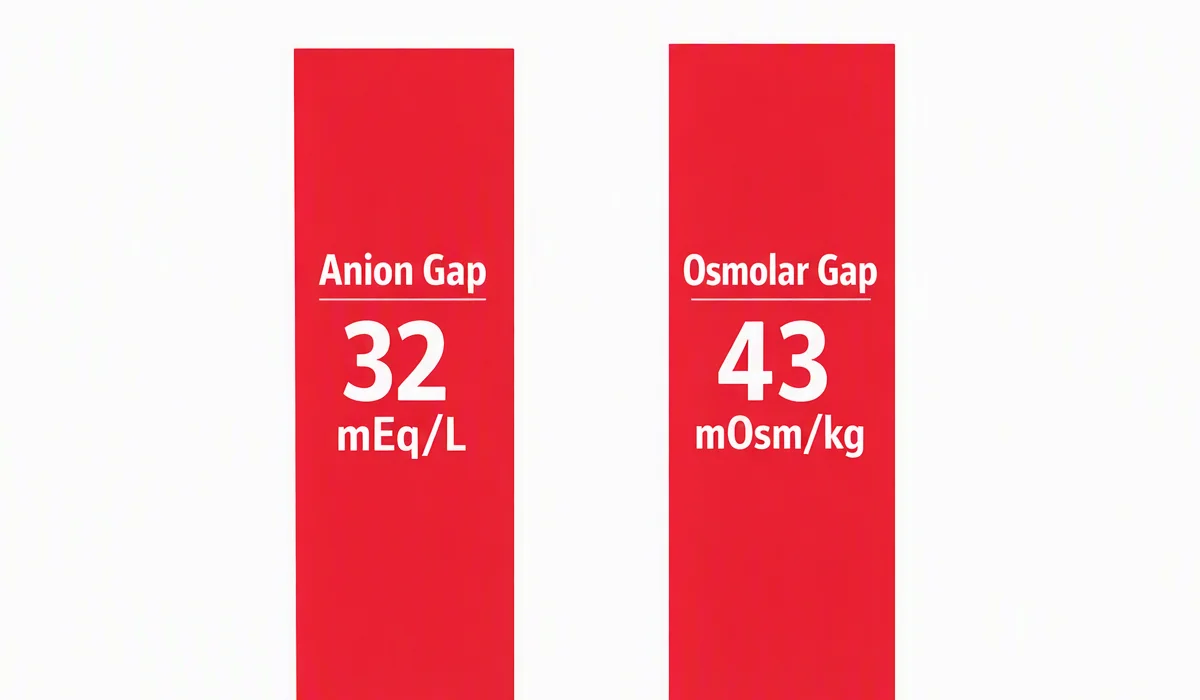
That is why chloride is not just a backup measurement. It is a crucial part of anion gap interpretation. The same serum electrolytes can tell different results depending on whether chloride is elevated, reduced, or the same. Put differently, chloride helps differentiate between profiles that suggest a true accumulation of acids and profiles that indicate a variation in measured ions.
From a practical standpoint, chloride’s place within the serum chemistry profile plays a key role in regular blood chemistry assessment. A clinician may review the chloride result together with sodium and bicarbonate to assess if the pattern suggests metabolic acidosis, volume changes, renal issues, or another cause of abnormal lab results.
Formula for the Anion Gap and How Chloride Affects the Result
The classic anion gap formula is often written as:
Anion gap = Sodium − (Chloride + Bicarbonate)
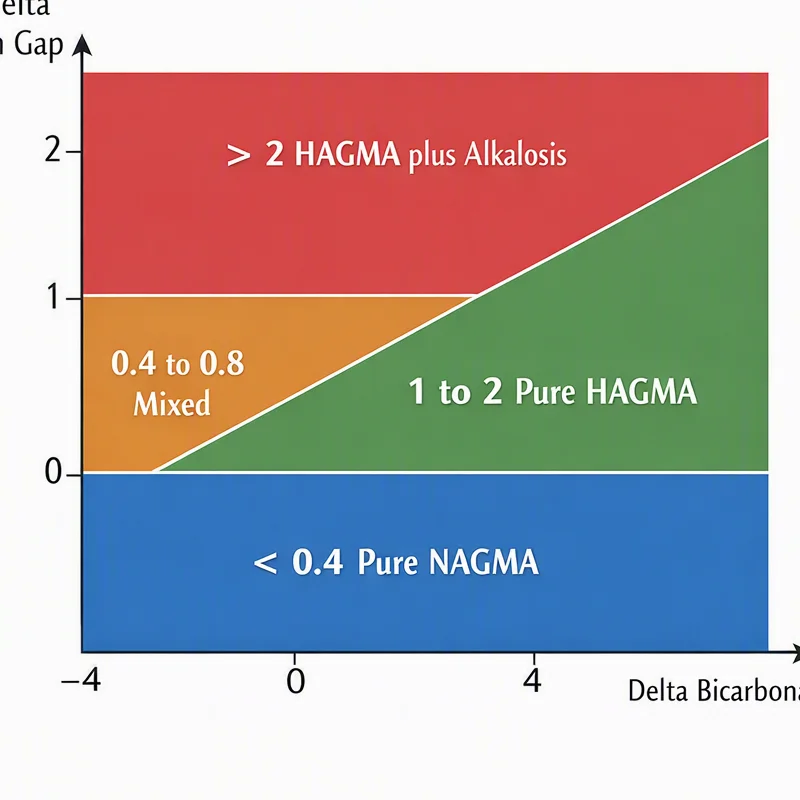
Because chloride is inside the parentheses, any variation in chloride directly affects the final value. If chloride increases while sodium and bicarbonate stay the same, the calculated anion gap decreases. If chloride decreases, the anion gap increases. This is why even small shifts in chloride can matter during diagnostic review.
Let’s break down the logic in simple terms. Sodium is the major measured cation in the calculation. Chloride and bicarbonate are the primary measured anions. The formula estimates the difference between the positive and negative charges that are measured. Any remaining difference reflects the presence of unmeasured ions such as organic acids, proteins, and other contributors to blood chemistry.
Because bicarbonate is a major buffer in the body, it frequently changes during acid-base disorders. When plasma bicarbonate drops, chloride may rise to preserve balance. This is part of the body’s buffer system and can create a normal anion gap pattern even when acidosis is present. Understanding this relationship is essential for accurate anion gap interpretation.
In simple terms:
- A higher chloride level usually lowers the calculated anion gap. Decreased chloride typically raises the calculated anion gap. Shifts in bicarbonate often cause predictable chloride shifts. The outcome should always be checked with the full electrolyte panel and the clinical picture.
The formula is simple, but the meaning behind it is not always obvious. That is why an Anion Gap Calculator can be useful for rapidly converting lab values into a useful result, especially when reviewing multiple serum electrolytes at once.
Typical Anion Gap vs High Anion Gap vs Low Anion Gap
A anion gap in the normal range generally means the balance between measured cations and measured anions is in the expected expected range. That does not automatically mean everything is fine, though. A person can still have non-anion gap metabolic acidosis or another acid-base problem even when the anion gap is not increased.
A elevated anion gap metabolic acidosis suggests there are more undetected anions in the blood. Common examples include acids that collect during illness or reduced metabolism. When this happens, bicarbonate is often consumed as it buffers acid, and the gap rises because the formula is no longer balanced by the normal measured ions.
A reduced anion gap is uncommon but can be medically significant. It may occur when chloride is elevated, sodium levels are reduced, bicarbonate is elevated, or when albumin is low. Albumin matters since it is a key unmeasured anion in plasma. If albumin decreases, the measured gap can drop even if the person has a different issue that should not be missed.
In actual use, clinicians do not interpret the number on its own. They review the full pattern of electrolytes, the patient’s signs, and related serum chemistry findings. A normal result can still be meaningful if it fits a pattern https://anion-gap-calculator372.image-perth.org/how-to-use-an-anion-gap-calculator-for-alkalemia such as hyperchloremia, and a low result may indicate an issue with albumin or laboratory measurement.
These classifications help guide thinking:
- Normal anion gap: frequently observed when chloride rises to balance bicarbonate loss. High anion gap metabolic acidosis: often suggests extra acids or unmeasured anions. Low anion gap: may appear with low albumin, increased chloride, or other factors.
So, the anion gap is not only a number. It is a framework that helps link blood chemistry to the likely cause of the abnormality.
Why Chloride Rises When the Anion Gap Is Normal
A key one of the most relevant interpretation patterns is the link between hyperchloremia and a normal anion gap. When bicarbonate is lost from the body, chloride often rises to maintain electroneutrality. The result is non-anion gap metabolic acidosis, also called chloride-related metabolic acidosis.
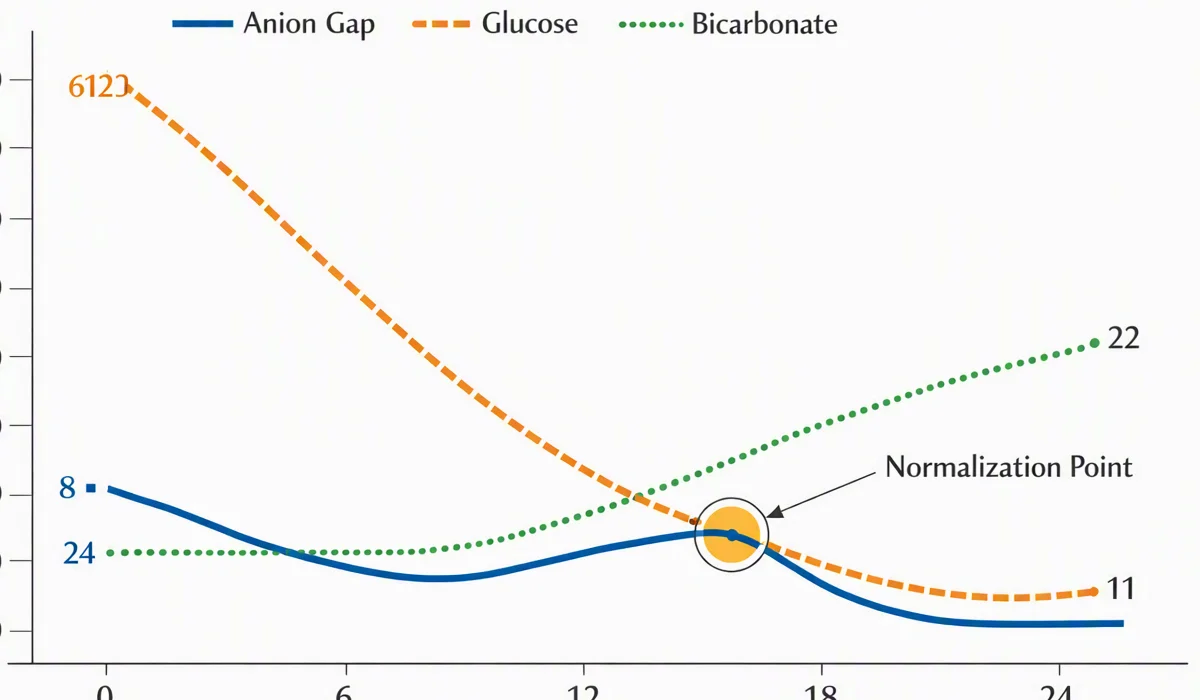
This finding appears because the body replaces lost bicarbonate with chloride. Therefore, the sum in the anion gap formula stays relatively stable. The acid-base disturbance is real, but the gap does not rise because there is not a large accumulation of unmeasured anions. Instead, the main issue is a shift in measured ions.
A frequent cause for this is bicarbonate loss. When bicarbonate is lost through the gastrointestinal tract or the kidneys, chloride helps fill the gap left behind. That is why patients with diarrhea may develop a normal anion gap metabolic acidosis. The same pattern can happen in renal tubular acidosis, where the kidneys fail to handle acid or bicarbonate properly.
These cases matter because a normal anion gap does not mean “no acidosis.” It means the problem may be due to chloride replacement rather than an increase in unmeasured acids. Recognizing this distinction is central to understanding anion gap interpretation.
In simple terms:
- Bicarbonate falls. Chloride goes up. The anion gap remains normal. The person may still have metabolic acidosis.
That pattern is one reason chloride is so clinically useful. A rising chloride level can be a clue that the body is responding to bicarbonate loss rather than accumulating acid from another source.
How an Anion Gap Calculator Is Used in Clinical Interpretation
An Anion Gap Calculator helps convert raw lab values into a result that can be checked rapidly and uniformly. Clinicians often use it after reviewing a basic electrolyte panel because the result helps guide the next step in assessment. When paired with the full clinical picture, it supports evaluation of acid-base balance and possible causes of abnormal serum electrolytes.
The calculator is especially useful when a blood test shows alterations in sodium, chloride, or bicarbonate. By entering those measurements into the formula, the calculator helps determine whether the pattern suggests a normal anion gap, high anion gap metabolic acidosis, or low anion gap pattern. That can inform further review of renal function, fluid status, and possible acid-base disorders.
In clinical interpretation, the calculator is not the final answer. It is a initial reference. The result should be considered alongside the patient’s symptoms, renal function, and any signs of infection, dehydration, or toxin exposure. It may also be adjusted for albumin when needed, since albumin strongly influences the measured value.
A few practical ways clinicians think about it:
- Could the result suggest extra unmeasured ions? Is chloride elevated, suggesting hyperchloremia? Is bicarbonate decreased, pointing toward metabolic acidosis? Does the pattern fit the patient’s acid-base balance?
Because the anion gap is a calculation rather than a direct test, the context matters. The same serum chemistry values can have different meanings depending on the trend, the symptoms, and the likely cause. That is the value of an Anion Gap Calculator: it supports faster and more straightforward interpretation of a common but nuanced lab result.
Frequent Reasons of Atypical Chloride and Anion Gap Values
Multiple conditions can affect chloride and influence the anion gap. Some of the leading include dehydration, kidney disease, diarrhea, and lactic acidosis. Every one affects blood chemistry in different ways, so the chloride pattern helps narrow the explanation.
Dehydration can raise the concentration of serum electrolytes and sometimes lead to increased chloride levels. In some cases, volume loss also shifts sodium and bicarbonate, making the overall picture less straightforward. Reviewing the full electrolyte panel is important rather than focusing on a single value.
Kidney disease can impair the body’s ability to manage acid, sodium, chloride, and bicarbonate. When the kidneys cannot handle these ions well, the result may be a high or normal anion gap depending on the cause. Changes in renal function can also affect how the body maintains acid-base balance.
Diarrhea commonly causes loss of bicarbonate from the gastrointestinal tract. Because chloride often increases to preserve electroneutrality, this may produce non-anion gap metabolic acidosis. The pattern is often accompanied by hyperchloremia and a lower bicarbonate level.
Lactic acidosis is a classic cause of high anion gap metabolic acidosis. In this case, extra organic acids elevate the gap because they represent additional unmeasured anions. Chloride may not be the primary driver of the change, but its relationship to bicarbonate still matters when reading the result.
Hypochloremia can also be notable. Low chloride may increase the anion gap even if the person does not have a major buildup of unmeasured acids. This can happen with vomiting, certain medications, or metabolic alkalosis patterns. Again, the key is to interpret the chloride level as part of the overall blood chemistry picture.
To put it simply, abnormal chloride and anion gap values should be considered as indicators. They don't diagnose a condition on their own, but they help identify the probable direction of the problem and whether the issue involves bicarbonate loss, acid retention, or another type of electrolyte imbalance.
FAQ About Chloride & Anion Gap
What’s the role of chloride in the anion gap?
Chloride is one of the main quantified anions used in the anion gap formula. It helps identify whether the blood has a normal balance of measured ions or whether there may be extra unmeasured anions. Because chloride is included explicitly in the calculation, changes in chloride can increase the anion gap and affect anion gap interpretation.
Why might chloride rise when bicarbonate falls?
When bicarbonate drops, the body often elevates chloride to preserve electroneutrality. This is a compensatory mechanism that keeps the electrical balance of the blood consistent. The pattern is common in non-anion gap metabolic acidosis, where bicarbonate loss is replaced by chloride rather than by extra acids.
Could a normal anion gap still indicate a problem with chloride?
Yes. A normal anion gap can still occur with clinically important chloride abnormalities, especially hyperchloremia or hypochloremia. In these cases, the anion gap may not be elevated even though the person has an acid-base disorder. That is why the full electrolyte panel and clinical context are crucial.
What may a high chloride level mean in an anion gap test?
A high chloride level often suggests that chloride is replacing lost bicarbonate or that there is another type of electrolyte imbalance affecting blood chemistry. It may be seen in non-anion gap metabolic acidosis, including cases related to diarrhea or renal tubular acidosis. The meaning depends on the rest of the lab values and the overall clinical picture.
In what way does an Anion Gap Calculator help interpret lab results?
An Anion Gap Calculator converts sodium, chloride, and bicarbonate results into a calculated value that supports faster review of blood test findings. It helps clinicians and patients see whether the pattern suggests a normal anion gap, high anion gap metabolic acidosis, or low anion gap. Used correctly, it improves understanding of acid-base balance and highlights when further evaluation may be needed.